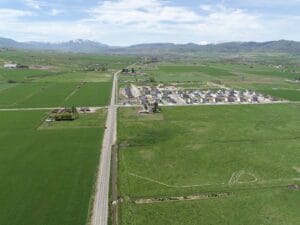
Ensuring Smooth Development: Wetlands Evaluation for Slatewood Apartments in Tooele, Utah Introduction Environmental assessments ensure new developments comply with regulations and avoid costly delays. The
Introduction Due to federal and state regulations, wetlands investigation can significantly impact land development. Property owners must determine whether wetlands exist before construction to avoid
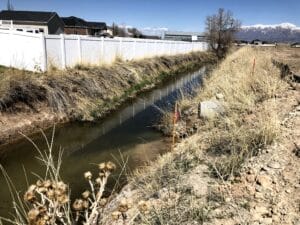
Introduction: Comprehensive Stream Alteration and Floodplain Permitting for Farmington Creek The Bangerter Bridge Culvert Extension Project over Farmington Creek in Davis County, Utah, faced critical
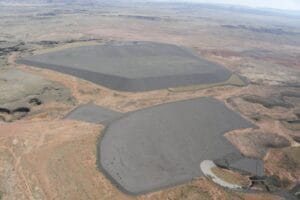
Comprehensive Soil Remediation for Environmental and Regulatory Success Anderson Engineering’s work at Rio Tinto Kennecott exemplifies cutting-edge soil remediation technologies and environmental management. Decades of
Environmental permitting is a fundamental aspect of environmental management that aims to regulate activities with potential environmental impacts. This process ensures that projects comply with environmental laws and regulations, thus safeguarding natural resources. By obtaining the necessary permits, businesses and developers can contribute to sustainable practices while minimizing ecological harm.
The permitting process often involves thorough assessments, public consultations, and extensive documentation to evaluate proposed projects' potential effects on the environment. Stakeholders, including government agencies and the local community, play a crucial role in shaping the permitting landscape. Understanding these procedures is essential for stakeholders to navigate regulatory frameworks effectively and engage in responsible development.
Benefits of Professional Environmental Consulting
Hiring a professional environmental consultant can streamline the permitting process and offer numerous advantages to businesses involved in development projects. Consultants possess specialized knowledge and experience that can help identify potential environmental issues early, allowing for proactive solutions. Additionally, their expertise ensures compliance with various regulations, reducing the risk of costly delays or legal complications.
Beyond compliance, environmental consultants can also provide insights into best practices for sustainability, enhancing a project’s overall viability and public perception. Their guidance can lead to innovative approaches that minimize ecological footprints while maximizing operational efficiency. Consequently, partnering with a skilled consultant is a strategic investment for organizations looking to achieve their development goals responsibly.
Legal and Regulatory Frameworks
Understanding the legal and regulatory frameworks surrounding environmental permitting is crucial for any organization engaged in development activities. These frameworks consist of local, state, and federal regulations, each governing different aspects of environmental protection. Compliance with these legal standards ensures that projects do not adversely affect the environment, promoting sustainable development practices.
```
Understanding Environmental Permitting
Environmental permitting is a fundamental aspect of environmental management that aims to regulate activities with potential environmental impacts. This process ensures that projects comply with environmental laws and regulations, thus safeguarding natural resources. By obtaining the necessary permits, businesses and developers can contribute to sustainable practices while minimizing ecological harm.
The permitting process often involves thorough assessments, public consultations, and extensive documentation to evaluate proposed projects' potential effects on the environment. Stakeholders, including government agencies and the local community, play a crucial role in shaping the permitting landscape. Understanding these procedures is essential for stakeholders to navigate regulatory frameworks effectively and engage in responsible development.
Benefits of Professional Environmental Consulting
Hiring a professional environmental consultant can streamline the permitting process and offer numerous advantages to businesses involved in development projects. Consultants possess specialized knowledge and experience that can help identify potential environmental issues early, allowing for proactive solutions. Additionally, their expertise ensures compliance with various regulations, reducing the risk of costly delays or legal complications.
Beyond compliance, environmental consultants can also provide insights into best practices for sustainability, enhancing a project’s overall viability and public perception. Their guidance can lead to innovative approaches that minimize ecological footprints while maximizing operational efficiency. Consequently, partnering with a skilled consultant is a strategic investment for organizations looking to achieve their development goals responsibly.
Legal and Regulatory Frameworks
Understanding the legal and regulatory frameworks surrounding environmental permitting is crucial for any organization engaged in development activities. These frameworks consist of local, state, and federal regulations, each governing different aspects of environmental protection. Compliance with these legal standards ensures that projects do not adversely affect the environment, promoting sustainable development practices.