Is Your Property Vulnerable to Erosion and Structural Risks?
Sloped terrain, erosion, and subpar retaining walls compromise both the safety and usability of your outdoor spaces.
Unstable Slopes
Challenging slopes render portions of your property unusable, limiting landscape potential and functionality.
Erosion Risks
Ongoing erosion not only presents safety hazards but can also lead to significant, unexpected repair costs.
Code Compliance Issues
Retaining walls that don’t meet Utah state building codes are prone to structural failures due to improper handling of soil conditions, impacting property value.
Limited Outdoor Use
Without a properly engineered solution, outdoor areas remain unsafe, restricting your ability to maximize and enjoy your property.
At Anderson Engineering, we design retaining walls that turn sloped landscapes into stable, usable spaces—addressing challenges head-on to protect and add value to your property.
Engineered Retaining Wall Solutions for Lasting Stability and Safety
1
Long-Lasting Durability
Our walls are engineered to meet Utah state requirements, ensuring they stand the test of time and protect your property from slope-related issues.
2
Comprehensive Erosion Control
We design retaining walls with built-in erosion protection, preventing soil displacement and avoiding future repair costs.
3
Customized for Your Terrain
Each retaining wall is tailored to your property’s unique landscape needs, ensuring it meets code requirements and enhances safety and usability.
4
Value-Driven Design
Our solutions increase your property’s overall value by turning previously unusable areas into safe, functional spaces while improving curb appeal and long-term stability.
We are designing with all types of material for Utah's diverse climates.
Versatile Retaining Wall Designs Tailored to Your Property's Requirements
Concrete Retaining Wall Designs
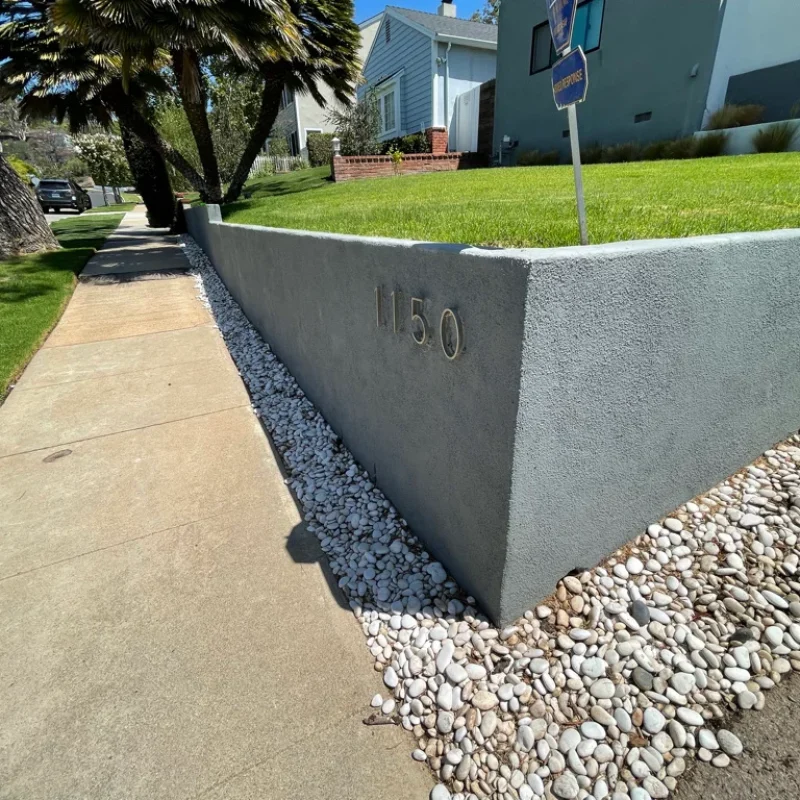
Our poured concrete retaining walls offer unmatched strength and durability, ideal for Salt Lake City and Draper properties where steep slopes require robust structural support. These walls can be custom-molded to fit unique landscapes, providing a sleek, modern look that withstands extreme weather conditions.
BLOCK CMU Retaining Wall Designs
For a durable and cost-effective solution, BLOCK CMU (Concrete Masonry Unit) retaining walls are perfect for residential and commercial properties in Provo and Orem. They provide flexibility in design and stability for varied landscapes. These walls are engineered for long-lasting stability and strength.
Versa-Block Retaining Wall Designs
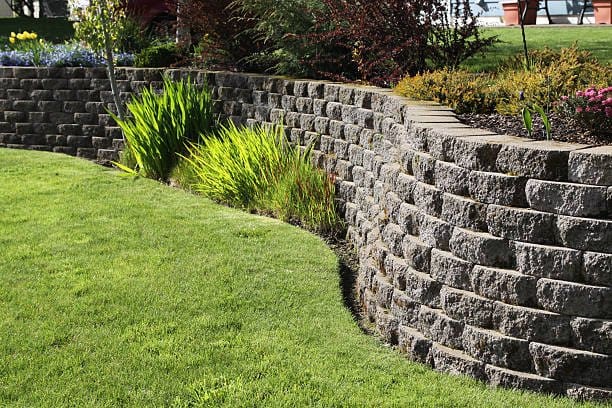
Versa-block retaining walls combine strength with aesthetic appeal, making them an excellent choice for landscaping projects in Park City, where beauty and functionality are essential. Their modular nature allows for creative designs while ensuring stability. Perfect for landscaping projects, these walls are easy to install and blend seamlessly with outdoor environments.
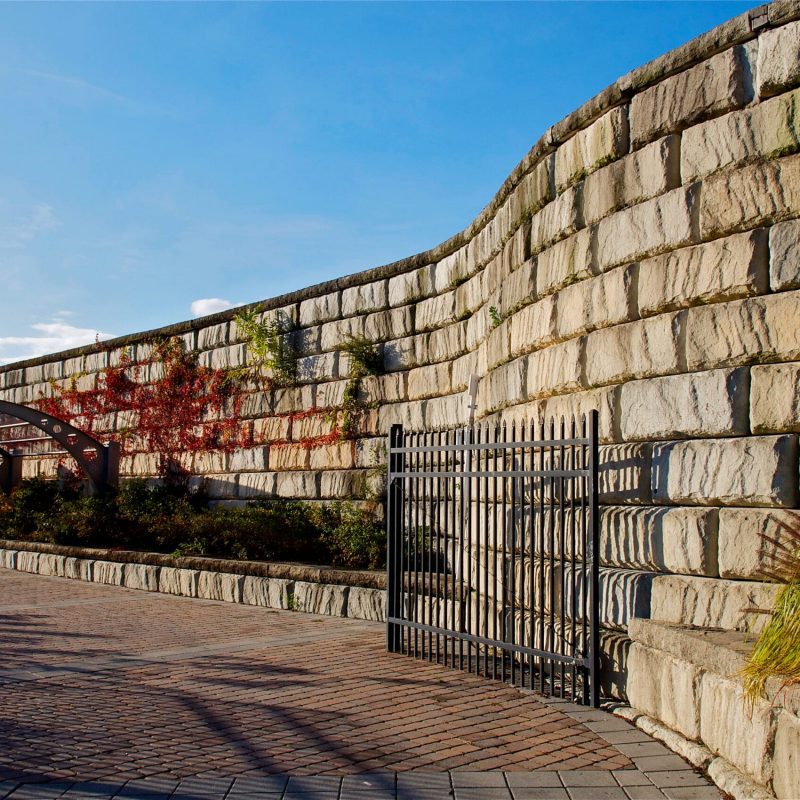
Pressure-treated wood Retaining Wall Designs
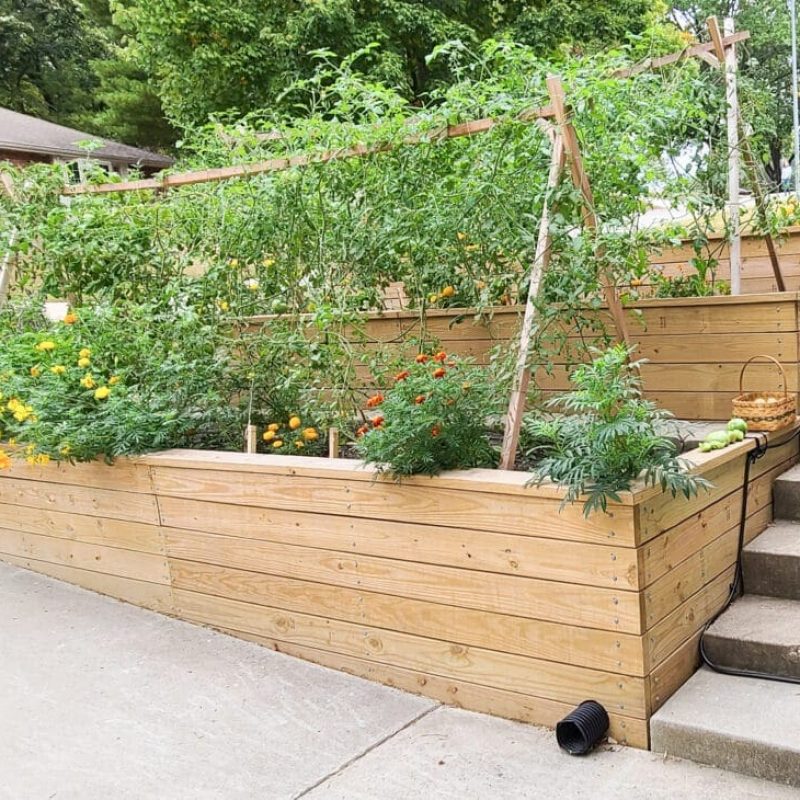
Pressure-treated wood retaining walls offer an affordable, eco-friendly option for a more natural look, ideal for smaller projects in Heber City and Midway where a rustic appearance is desired. These walls are ideal for smaller projects or landscape accents and provide a rustic appearance while protecting against rot and decay.
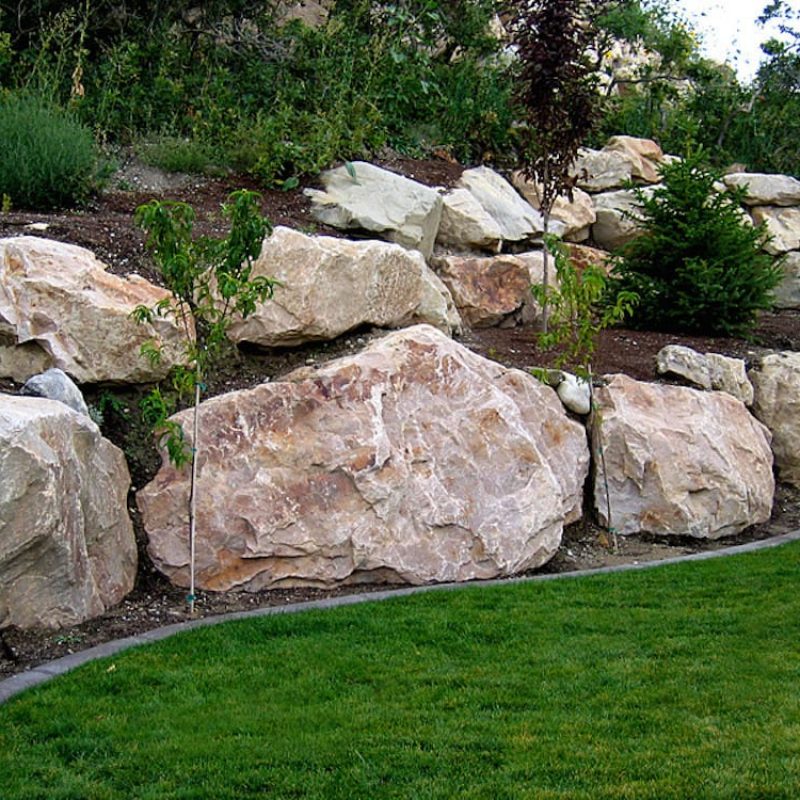
Rock Boulder Retaining Wall Designs
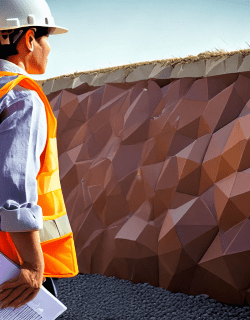
Rock boulder retaining walls bring your property a natural, rugged aesthetic while delivering excellent strength and erosion control, particularly suited for properties in Ogden and Logan with sloped landscapes that require an organic look. These walls are perfect for sloped landscapes and properties that blend functionality with a more organic, natural look.
Specific criteria and regulations must be considered for retaining walls taller than 4 feet, including the need for engineering and building permits and factors like vehicle loads, snow, and land slopes.
Why Trust Our Premier Retaining Wall Designs for Your Unique Property?
Custom Designs for Your Unique Property
We tailor each retaining wall design to fit the unique terrain and weather conditions of Northern Utah, from the clay soils of Provo to the sloped landscapes of Summit County, ensuring stability and beauty for your outdoor space.
Code-Compliant and Long-Lasting
Our licensed engineers ensure every retaining wall meets local Salt Lake City, Ogden, and Provo and Utah building codes. This ensures durability and compliance and protects your property from erosion and future damage.
Expert Guidance Every Step of the Way
From design to permitting, we guide you through the entire process, ensuring your project is smooth, stress-free, and confidently completed.
Get Your Retaining Wall Design Approved in 3 Easy Steps and Start Building
1
Free Consultation
We’ll discuss the property and explore the best retaining wall design options.
2
Custom Retaining Wall Design
Our engineers provide a tailored design that ensures stability and meets all local codes.
3
Ready to Build with Confidence
With your design and permits in place, you can start construction, knowing your wall is built to last.
Premium Retaining Wall Designs That Secure Your Property and Elevate Value
Licensed Experts with Local Knowledge
Tailored septic designs that meet Utah site conditions and regulations, ensuring quick permit approvals.
Tailored Designs for Your Property
Our engineers review each design, guaranteeing reliability and compliance with Utah standards and minimizing approval delays.
Code-compliant Built to Last
We provide Level III and alternative system designs when needed, ensuring even challenging projects move forward smoothly.
Quick Turnaround for Faster Construction
Efficient processes help you get your building permit without unnecessary delays, allowing you to start construction sooner.
Clear, Concise Construction Drawings
We provide detailed construction drawings so you can use your trusted subcontractors effectively.
Dedicated, Principal-Led Oversight
Our principals personally lead every project, ensuring expert oversight and quick decisions.
Serving all of Utah
Retaining Wall Designed to Last
At Anderson Engineering, we specialize in providing custom retaining wall designs that meet the unique needs of your project. With years of experience, our team of experts excels in designing, engineering, and retaining functional and aesthetically pleasing walls. Whether you need a concrete retaining wall for a commercial property or a block retaining wall for your home, we have the expertise to deliver solutions that enhance your outdoor space and protect your property from erosion.
Our retaining wall design services are tailored to your specific requirements, ensuring that your wall is durable and compliant with local building codes. We understand that every project is unique, so we take the time to assess your property, understand your needs, and create a design that fits seamlessly with your landscape. From the initial consultation to final design, Anderson Engineering provides expert guidance every step of the way, ensuring a smooth and stress-free experience.
FAQ
Get Clarity on Retaining Wall Design: Answers to Your Most Common Questions
What factors should be considered in retaining wall design?
Retaining wall design takes into account several factors, including soil type, wall height, drainage requirements, surcharge loads, local building codes, and environmental conditions such as frost depth and seismic activity.
Do I need a permit for building a retaining wall?
In most jurisdictions, retaining walls over a certain height (typically 4 feet) require a permit and must be designed by a licensed engineer to ensure structural integrity and compliance with local regulations.
What are the most common materials used in retaining walls?
Common materials for retaining walls include concrete blocks, poured concrete, natural stone, timber, and reinforced soil systems. The choice of material depends on factors such as budget, aesthetic preference, and site conditions.
How do retaining walls manage water drainage?
Proper drainage is essential for retaining wall longevity. Drainage solutions such as gravel backfill, perforated drainage pipes, and weep holes are typically incorporated into the design to prevent water buildup and pressure behind the wall.
What are the signs that a retaining wall needs repair or replacement?
Common signs of retaining wall failure include bulging, cracking, leaning, water seepage, or erosion at the base. If any of these issues are noticed, it’s important to consult with a structural engineer to assess the damage and recommend appropriate solutions.
What are the benefits of retaining wall design services in Utah?
The benefits of retaining wall design services in Utah include enhanced property stability, effective erosion control, compliance with local building codes, and tailored solutions that improve the usability and aesthetic appeal of sloped landscapes.
What is the process of designing a custom retaining wall?
The process of designing a custom retaining wall involves assessing the unique characteristics of your property, selecting appropriate materials, ensuring compliance with local building codes, and incorporating effective drainage solutions to enhance stability and longevity.
What makes a retaining wall structurally sound in Utahs soil conditions?
The factors that make a retaining wall structurally sound in Utah's soil conditions include proper engineering design, appropriate material selection, adequate drainage, and consideration of local soil types and environmental factors, ensuring stability and durability.
Who are the top retaining wall structural experts in Utah?
The top retaining wall structural experts in Utah are renowned engineering firms and licensed professionals specializing in designing and building compliant, durable retaining walls tailored to local terrain and environmental conditions, ensuring safety and functionality for all projects.
What is the average cost of a Utah retaining wall?
The average cost of a Utah retaining wall varies based on materials and design, typically ranging from $15 to $30 per square foot. Custom features and wall height can significantly influence overall pricing.
How do experts design retaining walls for Utahs earthquakes?
Experts design retaining walls for Utah's earthquakes by incorporating specific engineering techniques that account for seismic activity. They assess soil stability, select appropriate materials, and integrate reinforcement strategies to ensure the wall can withstand lateral forces generated by quakes.
What are the advantages of hiring a retaining wall designer in Utah?
The advantages of hiring a retaining wall designer in Utah include expert knowledge of local regulations, tailored design for unique landscapes, and assurance of stability and compliance, ultimately leading to a durable and visually appealing outdoor space.
How do Utah retaining wall experts handle drainage issues?
Utah retaining wall experts address drainage issues by incorporating effective solutions such as gravel backfill, perforated drainage pipes, and weep holes. These design features prevent water buildup, ensuring wall stability and longevity in varying environmental conditions.
What are the benefits of custom retaining wall engineering solutions?
The benefits of custom retaining wall engineering solutions include enhanced stability, optimal drainage, tailored designs for unique landscapes, and compliance with local building codes. These solutions ensure long-lasting durability and improved usability of outdoor spaces while preventing erosion and structural issues.
What materials maximize strength for Utah retaining walls?
The materials that maximize strength for Utah retaining walls include reinforced concrete, concrete blocks, and natural stone. These materials provide durability and stability against Utah's varied soil conditions and weather patterns.
How deep should a retaining wall foundation be?
The depth of a retaining wall foundation should be at least one-third of the wall's height, typically ranging from 12 to 24 inches. This ensures stability and prevents potential failure from soil pressure and erosion.
What regulations govern retaining wall construction in Utah?
The regulations governing retaining wall construction in Utah require compliance with local building codes, which address factors such as wall height, drainage, and materials. Additionally, permits may be necessary for walls exceeding four feet in height to ensure safety and stability.
How to assess soil stability for retaining walls?
Assessing soil stability for retaining walls involves evaluating soil type, moisture content, compaction levels, and load-bearing capacity. Conducting soil tests, analyzing drainage patterns, and consulting with a geotechnical engineer will help ensure a solid foundation for your project.
What is the lifespan of a retaining wall?
The lifespan of a retaining wall varies based on materials and environmental conditions. Generally, concrete walls can last 50 to 100 years, while timber walls may last around 20 to 30 years with proper maintenance.
How can I improve drainage in retaining walls?
Improving drainage in retaining walls involves incorporating proper drainage solutions such as gravel backfill, perforated drainage pipes, and weep holes. These elements help prevent water buildup, reducing pressure behind the wall and ensuring its long-term stability.
What are common design mistakes for retaining walls?
Common design mistakes for retaining walls include inadequate drainage, neglecting soil analysis, ignoring local building codes, failing to account for surcharge loads, and using substandard materials, all of which can lead to structural failure and costly repairs.
Can retaining walls be built on slopes in Utah?
Retaining walls can indeed be built on slopes in Utah. Proper engineering and design considerations are essential to ensure stability and compliance with local building codes, addressing factors such as soil type and drainage requirements.
What types of retaining walls are most effective?
The most effective types of retaining walls include concrete block walls for their strength and versatility, pressure-treated wood for cost-effectiveness and a natural look, and rock boulder walls for a rugged aesthetic combined with excellent erosion control.
How do plants affect retaining wall stability?
Plants affect retaining wall stability by contributing to soil erosion control and providing root reinforcement. However, excessive moisture from their roots can also lead to pressure buildup, potentially compromising the wall's structural integrity.
What maintenance is required for retaining walls?
Maintaining retaining walls is essential for longevity and performance. Regularly inspect for signs of damage, ensure proper drainage to prevent water buildup, and address any vegetation growth that may compromise structural integrity.
How to select the right height for a retaining wall?
Selecting the right height for a retaining wall involves assessing the slope of your land, drainage needs, and local regulations. Generally, walls over four feet require engineering expertise to ensure stability and compliance with building codes.
What are the environmental impacts of retaining walls?
The environmental impacts of retaining walls include changes in water drainage patterns, potential erosion control, and habitat alteration. Proper design can mitigate negative effects, promoting stability and protecting the surrounding ecosystem.
How do retaining walls protect against soil erosion?
Retaining walls protect against soil erosion by stabilizing sloped landscapes. They absorb and redirect water runoff, reducing soil displacement and preventing erosion, while their structural support effectively holds back soil, ensuring your property remains safe and usable.
What additional features can enhance retaining wall design?
Additional features that can enhance retaining wall design include integrated drainage systems, aesthetic elements such as lighting or landscaping, and reinforcement materials for added stability. These features improve functionality and visual appeal, ensuring a durable and attractive structure.
How to choose between modular and traditional retaining walls?
Choosing between modular and traditional retaining walls depends on factors like design preferences, budget, and site conditions. Modular walls offer versatility and ease of installation, while traditional walls provide a classic look and can be more suitable for larger projects.
What are the aesthetic options for retaining walls?
The aesthetic options for retaining walls include various materials and designs such as natural stone, concrete blocks, pressure-treated wood, and rock boulders. Each option can enhance your landscape's visual appeal while providing structural stability.
How can retaining walls improve property value?
Retaining walls can significantly improve property value by enhancing land usability, preventing erosion, and creating visually appealing landscapes. Their structural integrity ensures safety while custom designs elevate aesthetic appeal, making properties more attractive to potential buyers.
What expertise do engineers bring to wall design?
Engineers bring critical expertise to wall design by assessing structural integrity, ensuring compliance with local building codes, and integrating drainage solutions. Their knowledge of soil mechanics, material properties, and environmental factors ensures walls are safe, durable, and tailored to specific site conditions.
How to integrate lighting into retaining wall design?
Integrating lighting into retaining wall design enhances safety and aesthetics. Utilize LED strip lights or recessed fixtures within the wall's structure to illuminate the surface and highlight the landscape, ensuring effective drainage and visual appeal during nighttime.
What challenges do experts face in wall construction?
Experts face several challenges in wall construction, including site-specific conditions such as soil type and drainage needs, adherence to local building codes, and ensuring structural stability against environmental factors like frost and seismic activity.
What are the benefits of retaining wall design services in Utah?
The benefits of retaining wall design services in Utah include enhanced property stability, effective erosion control, compliance with local building codes, and tailored solutions that improve the usability and aesthetic appeal of sloped landscapes.
What is the process of designing a custom retaining wall?
The process of designing a custom retaining wall involves assessing the unique characteristics of your property, selecting appropriate materials, ensuring compliance with local building codes, and incorporating effective drainage solutions to enhance stability and longevity.
What makes a retaining wall structurally sound in Utahs soil conditions?
The factors that make a retaining wall structurally sound in Utah's soil conditions include proper engineering design, appropriate material selection, adequate drainage, and consideration of local soil types and environmental factors, ensuring stability and durability.
Who are the top retaining wall structural experts in Utah?
The top retaining wall structural experts in Utah are renowned engineering firms and licensed professionals specializing in designing and building compliant, durable retaining walls tailored to local terrain and environmental conditions, ensuring safety and functionality for all projects.
What is the average cost of a Utah retaining wall?
The average cost of a Utah retaining wall varies based on materials and design, typically ranging from $15 to $30 per square foot. Custom features and wall height can significantly influence overall pricing.
How do experts design retaining walls for Utahs earthquakes?
Experts design retaining walls for Utah's earthquakes by incorporating specific engineering techniques that account for seismic activity. They assess soil stability, select appropriate materials, and integrate reinforcement strategies to ensure the wall can withstand lateral forces generated by quakes.
What are the advantages of hiring a retaining wall designer in Utah?
The advantages of hiring a retaining wall designer in Utah include expert knowledge of local regulations, tailored design for unique landscapes, and assurance of stability and compliance, ultimately leading to a durable and visually appealing outdoor space.
How do Utah retaining wall experts handle drainage issues?
Utah retaining wall experts address drainage issues by incorporating effective solutions such as gravel backfill, perforated drainage pipes, and weep holes. These design features prevent water buildup, ensuring wall stability and longevity in varying environmental conditions.
What are the benefits of custom retaining wall engineering solutions?
The benefits of custom retaining wall engineering solutions include enhanced stability, optimal drainage, tailored designs for unique landscapes, and compliance with local building codes. These solutions ensure long-lasting durability and improved usability of outdoor spaces while preventing erosion and structural issues.
What materials maximize strength for Utah retaining walls?
The materials that maximize strength for Utah retaining walls include reinforced concrete, concrete blocks, and natural stone. These materials provide durability and stability against Utah's varied soil conditions and weather patterns.
How deep should a retaining wall foundation be?
The depth of a retaining wall foundation should be at least one-third of the wall's height, typically ranging from 12 to 24 inches. This ensures stability and prevents potential failure from soil pressure and erosion.
What regulations govern retaining wall construction in Utah?
The regulations governing retaining wall construction in Utah require compliance with local building codes, which address factors such as wall height, drainage, and materials. Additionally, permits may be necessary for walls exceeding four feet in height to ensure safety and stability.
How to assess soil stability for retaining walls?
Assessing soil stability for retaining walls involves evaluating soil type, moisture content, compaction levels, and load-bearing capacity. Conducting soil tests, analyzing drainage patterns, and consulting with a geotechnical engineer will help ensure a solid foundation for your project.
What is the lifespan of a retaining wall?
The lifespan of a retaining wall varies based on materials and environmental conditions. Generally, concrete walls can last 50 to 100 years, while timber walls may last around 20 to 30 years with proper maintenance.
How can I improve drainage in retaining walls?
Improving drainage in retaining walls involves incorporating proper drainage solutions such as gravel backfill, perforated drainage pipes, and weep holes. These elements help prevent water buildup, reducing pressure behind the wall and ensuring its long-term stability.
What are common design mistakes for retaining walls?
Common design mistakes for retaining walls include inadequate drainage, neglecting soil analysis, ignoring local building codes, failing to account for surcharge loads, and using substandard materials, all of which can lead to structural failure and costly repairs.
Can retaining walls be built on slopes in Utah?
Retaining walls can indeed be built on slopes in Utah. Proper engineering and design considerations are essential to ensure stability and compliance with local building codes, addressing factors such as soil type and drainage requirements.
What types of retaining walls are most effective?
The most effective types of retaining walls include concrete block walls for their strength and versatility, pressure-treated wood for cost-effectiveness and a natural look, and rock boulder walls for a rugged aesthetic combined with excellent erosion control.
How do plants affect retaining wall stability?
Plants affect retaining wall stability by contributing to soil erosion control and providing root reinforcement. However, excessive moisture from their roots can also lead to pressure buildup, potentially compromising the wall's structural integrity.
What maintenance is required for retaining walls?
Maintaining retaining walls is essential for longevity and performance. Regularly inspect for signs of damage, ensure proper drainage to prevent water buildup, and address any vegetation growth that may compromise structural integrity.
How to select the right height for a retaining wall?
Selecting the right height for a retaining wall involves assessing the slope of your land, drainage needs, and local regulations. Generally, walls over four feet require engineering expertise to ensure stability and compliance with building codes.
What are the environmental impacts of retaining walls?
The environmental impacts of retaining walls include changes in water drainage patterns, potential erosion control, and habitat alteration. Proper design can mitigate negative effects, promoting stability and protecting the surrounding ecosystem.
How do retaining walls protect against soil erosion?
Retaining walls protect against soil erosion by stabilizing sloped landscapes. They absorb and redirect water runoff, reducing soil displacement and preventing erosion, while their structural support effectively holds back soil, ensuring your property remains safe and usable.
What additional features can enhance retaining wall design?
Additional features that can enhance retaining wall design include integrated drainage systems, aesthetic elements such as lighting or landscaping, and reinforcement materials for added stability. These features improve functionality and visual appeal, ensuring a durable and attractive structure.
How to choose between modular and traditional retaining walls?
Choosing between modular and traditional retaining walls depends on factors like design preferences, budget, and site conditions. Modular walls offer versatility and ease of installation, while traditional walls provide a classic look and can be more suitable for larger projects.
What are the aesthetic options for retaining walls?
The aesthetic options for retaining walls include various materials and designs such as natural stone, concrete blocks, pressure-treated wood, and rock boulders. Each option can enhance your landscape's visual appeal while providing structural stability.
How can retaining walls improve property value?
Retaining walls can significantly improve property value by enhancing land usability, preventing erosion, and creating visually appealing landscapes. Their structural integrity ensures safety while custom designs elevate aesthetic appeal, making properties more attractive to potential buyers.
What expertise do engineers bring to wall design?
Engineers bring critical expertise to wall design by assessing structural integrity, ensuring compliance with local building codes, and integrating drainage solutions. Their knowledge of soil mechanics, material properties, and environmental factors ensures walls are safe, durable, and tailored to specific site conditions.
How to integrate lighting into retaining wall design?
Integrating lighting into retaining wall design enhances safety and aesthetics. Utilize LED strip lights or recessed fixtures within the wall's structure to illuminate the surface and highlight the landscape, ensuring effective drainage and visual appeal during nighttime.
What challenges do experts face in wall construction?
Experts face several challenges in wall construction, including site-specific conditions such as soil type and drainage needs, adherence to local building codes, and ensuring structural stability against environmental factors like frost and seismic activity.