

ANSI, short for the American National Standards Institute, provides a voluntary set of standards for safety equipment (among other things). Every supervisor and project manager of a worksite knows the importance of ensuring that all team members have the appropriate safety gear. Preventing accidents and keeping small issues from becoming bigger ones is vital in running a smooth operation, meeting deadlines and staying productive. Here are some things you should have handy to make sure you can keep your workers safe.
Hard Hats
One of the most basic, but also most important, safety items is the hard hat. Traumatic brain injuries are one of the most severe accidents that can occur on a job site, and a hard hat is vital toward keeping heads safe from harm. All hard hats that meet ANSI criteria will prominently display the ANSI designation on a label inside the shell. Class G helmets are excellent general-purpose hard hats, while a Class E variation provides additional protection from electricity. Class C hard hats are for lightweight impact resistance where comfort may be more necessary than heavy protection. So-called “bump cap” style hats are not ANSI approved.
Glasses
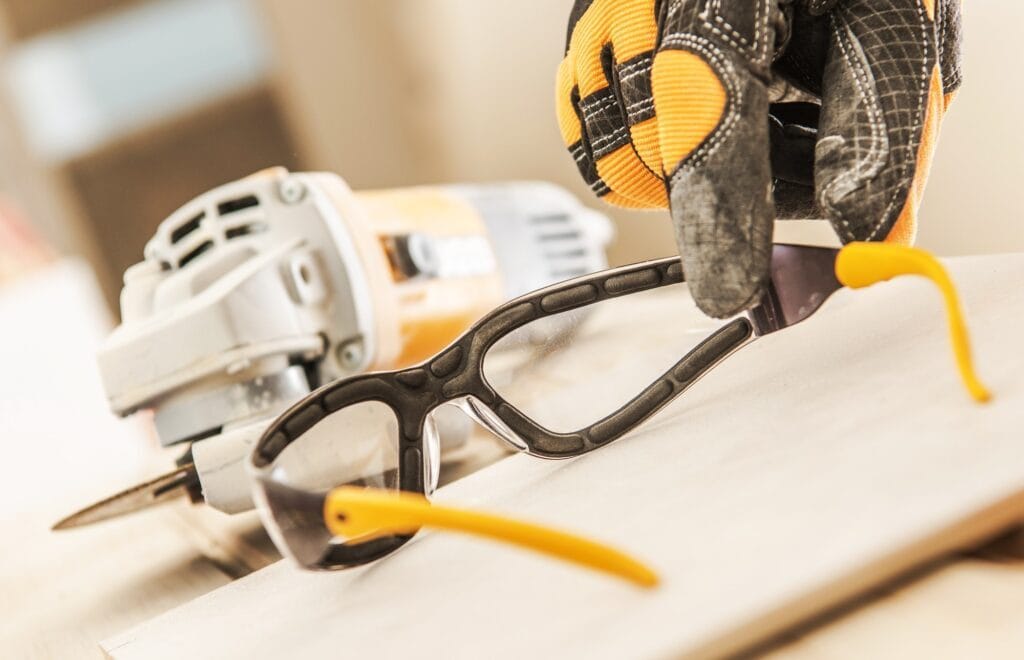
Another common workplace injury is to the eyes. Glasses that meet ANSI standards will have marking on both lenses and on the frame to clearly note that they pass muster. Eyewear like the Z87 safety glasses will be clearly marked as being able to protect the wearer from specific threats. Some common eye dangers include concrete and glass or metal particulate that may become airborne. Any locations that may deal with chemicals, smoke, gasses, heat, or flame are prone to eye accidents. And lastly, if there is a risk of falling objects, big or small, eye protection is a must. Eye protection ranges the gamut from simple glasses with side protection to goggles to whole-face shields.
First Aid Kits
Minor problems such as nicks, cuts, and scrapes are inevitable. Additionally, you may even run into more serious issues such as burns or eye contamination. In such an event, having an ANSI approved first-aid kit is important for the immediate treatment of smaller injuries. This reduces the likelihood of them becoming more serious through infection or neglect. Aid stations are broken down by letter class. Class A units include most basic first aid stocks for light injuries, while Class B units include a bigger stock for higher risk areas that may encounter more severe injuries. Additional burn and eye station gear can also be added.
Employee safety is job number one for any manager. ANSI safety standards are the gold medal for safety gear and provide a level of comfort and trust for customers and users. When stocking up on safety supplies, ensure that they all meet ANSI regulations to keep your employees safe.